BTS Comeback Concert Draws Fewer Fans Than Anticipated, Impacting Shares
The highly anticipated BTS concert in Seoul fell short of expectations, drawing only 104,000 fans instead of the projected 250,000. This disappointing turn

BTS Comeback Concert Draws Fewer Fans Than Anticipated, Impacting Shares
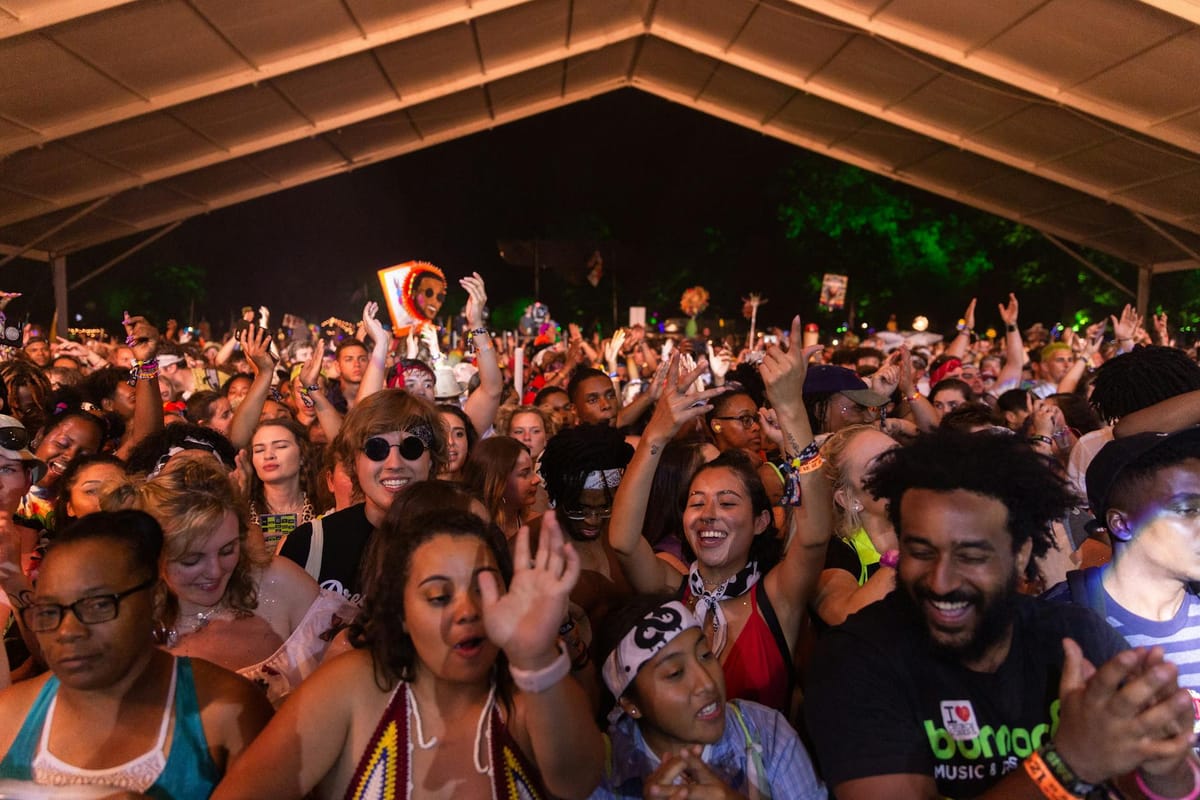
In a highly anticipated return to the stage, the global K-pop sensation BTS held a comeback concert in Seoul that unfortunately did not meet expectations. The event, which took place at Gwanghwamun Square, drew approximately 104,000 fans, a stark contrast to the projected attendance of 250,000. This significant shortfall has not only disappointed fans but has also had a noticeable impact on the financial health of Hybe, the agency behind the group.
The Significance of the Concert
This concert marked BTS's first performance together since their hiatus for military service, making it a pivotal moment for both the band and their dedicated fanbase, known as ARMY. The anticipation surrounding the event was palpable, as fans were eager to see their favorite artists return to the stage after a prolonged absence. The concert was not just a performance; it was a symbol of resilience and a celebration of their journey as a group.
However, the turnout has raised questions about the current state of BTS's fan engagement and the broader K-pop landscape. The stark difference between the expected and actual attendance figures has sent ripples through the market, leading to a significant decline in Hybe's stock prices. Investors had high hopes for the concert, seeing it as a potential resurgence for the group and the agency after a challenging period marked by the members' military obligations.
Live Streaming Impact
One of the factors that may have contributed to the lower-than-expected in-person attendance is the decision to live-stream the concert on Netflix. While this move allowed fans from around the world to experience the event, it may have dissuaded some local fans from attending in person. The convenience of watching the concert from home, coupled with the high-quality production that Netflix is known for, could have played a significant role in the reduced turnout. This trend of live-streaming concerts has become increasingly popular, particularly in the wake of the COVID-19 pandemic, which forced many artists to adapt to new ways of connecting with their fans.
The pandemic has reshaped the entertainment landscape, leading to a surge in virtual events. Artists have embraced technology to reach their audience, and BTS is no exception. Live-streaming not only expands the fanbase but also allows for greater accessibility, particularly for international fans who may not have the means to travel to South Korea. However, this convenience comes at a cost, as it may detract from the in-person experience that many fans cherish. This phenomenon raises important questions about the future of live performances and how artists can balance the demand for both in-person and virtual experiences.
The Release of 'Arirang'
Despite the disappointing concert attendance, BTS's new album, "Arirang," has seen remarkable success, selling nearly 4 million copies on its first day of release. This achievement underscores the group's continued popularity and the loyalty of their fanbase, even as they navigate the complexities of a changing music industry. The album's release was highly anticipated, and its strong sales figures suggest that while the concert may not have drawn the expected crowd, there remains a significant demand for BTS's music.
The album's success may also reflect a broader trend within the K-pop industry, where album sales can often outpace concert attendance. Fans are eager to support their favorite artists through music purchases, which can provide a more stable revenue stream for agencies like Hybe. However, the reliance on album sales alone may not be enough to offset the financial implications of decreased concert attendance, especially given the high expectations set by previous BTS performances. This situation highlights the delicate balance that K-pop agencies must maintain between live performances and recorded music sales.
Competition in the K-Pop Scene
The K-pop industry has become increasingly competitive, with numerous groups and projects vying for fans' attention. Newer acts are emerging and capturing the interest of audiences, which may be diverting attention away from established groups like BTS. The rise of these new artists presents both a challenge and an opportunity for Hybe and BTS. While competition can dilute market share, it can also invigorate the industry, pushing artists to innovate and evolve their music and performances.
Additionally, the landscape of K-pop is constantly shifting, with changing trends in music styles, choreography, and visual aesthetics. BTS has historically been at the forefront of these trends, but as the industry evolves, they must continue to adapt and find ways to resonate with both existing fans and potential new listeners. The emergence of new genres and styles, such as the integration of Western music influences and the rise of hip-hop, necessitates that BTS remains relevant in an ever-changing market.
Hybe's Financial Health
Hybe's financial health is closely tied to BTS's success, particularly after a downturn during their hiatus. The agency has invested heavily in the group, and their financial model relies significantly on the revenue generated from BTS's activities, including concerts, merchandise, and album sales. With the recent concert falling short of expectations, investors are understandably concerned about the potential long-term implications for Hybe's profitability.
The agency has been exploring various avenues to diversify its revenue streams, including investing in new talent and expanding into different entertainment sectors. However, the pressure remains on BTS to deliver strong performances and maintain their status as one of the leading acts in the K-pop industry. The group's ability to navigate this challenging environment will be crucial for both their own future and that of their agency.
Moreover, the financial ramifications of the concert's attendance extend beyond immediate losses. Hybe's stock prices reacted sharply to the news, reflecting investor sentiment and the market's perception of BTS's brand strength. The company must now strategize to reassure investors and fans alike, potentially by enhancing future concert experiences, expanding global outreach, or introducing innovative marketing strategies.
The concert may not have drawn the crowd that was anticipated, but it remains a significant moment in BTS's career. The group has always been known for their resilience and ability to connect with their fans, and as they move forward, there is no doubt that they will continue to find ways to engage and inspire their audience, both in South Korea and around the world. The coming months will be crucial for BTS and Hybe as they seek to regain momentum and solidify their legacy in the ever-evolving K-pop landscape. As they reflect on this experience, they may find new pathways to engage with their fanbase, ensuring that their impact on the music industry endures.