Concerns Rise Over Proposed Parking Charges in Cornwall
Concerns are mounting in Cornwall as local businesses and community groups oppose proposed parking charges along the Camel Trail, arguing it could threaten

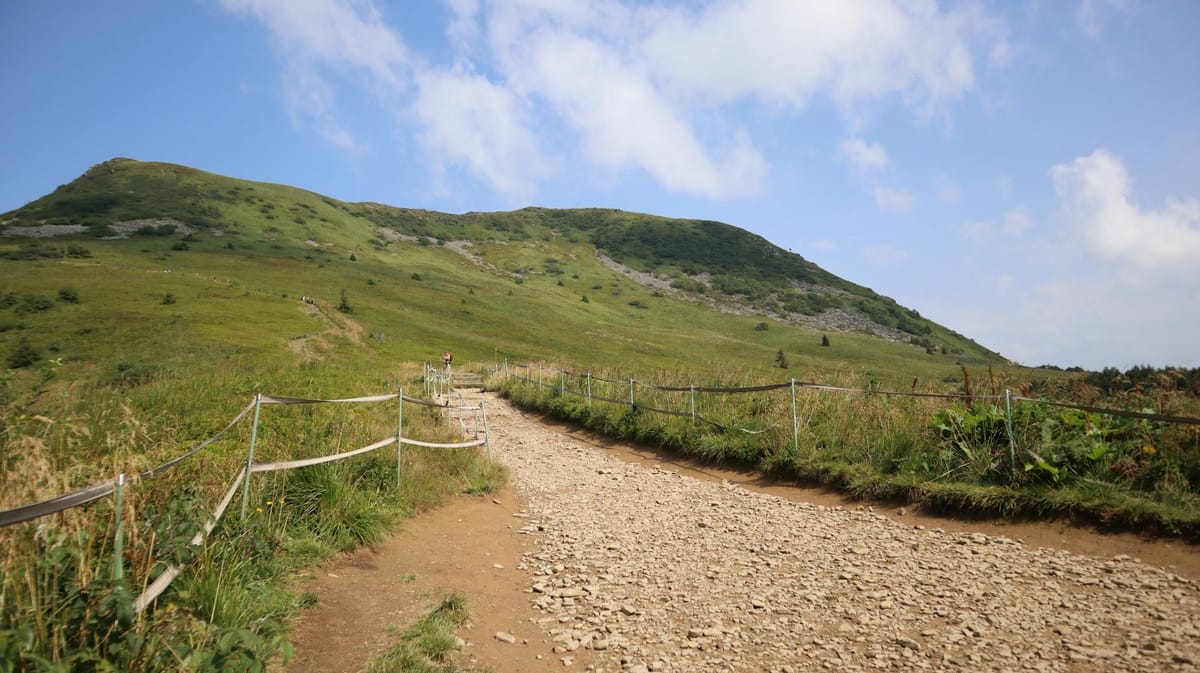
In a move that has sparked significant concern among local businesses and community groups, Cornwall Council is considering introducing parking charges in several car parks along the Camel Trail. This proposal has raised alarms, particularly among those who rely on the free parking for their livelihoods and for promoting outdoor activities in the region. The Camel Trail, which stretches between Padstow and Bodmin, is a beloved destination for walkers and cyclists, attracting thousands of visitors each year. Many use the trail for exercise and leisure, with the free parking serving as a crucial access point.
Local cafe owners and cycling advocates argue that charging for parking could severely hinder access to these popular recreational areas, especially during a time when many families are already grappling with rising living costs. Linzi Hanscomb, who runs the Snail's Pace Cafe at Wenfordbridge, expressed that her establishment depends heavily on the foot traffic generated by the adjacent free car park. She stated, "My business wouldn't exist if the Camel Trail wasn't here - the passing trade from the local community is what keeps us going." Hanscomb fears that the proposed 2 daily fee could deter visitors, making it unsustainable for her cafe to continue operating.
Laura Wilton from the Cornwall Bicycle Project echoed these sentiments, noting that the Wenfordbridge car park is a popular meeting spot for cycling groups. She warned that introducing parking charges could deter people from visiting the area, stating, "There's no public transport that links to these places - the only way to get there is to drive out. We think this is an unfair charge. It places a price on accessing activity." This concern is particularly relevant given the ongoing cost-of-living crisis, as many individuals are forced to choose between spending money on leisure activities or essential expenses like food.
Councillor Dan Rogerson, who oversees transport for the Cornwall Council, defended the proposal by arguing that it was a matter of fairness. He explained that some people currently pay to park while others do not, suggesting that everyone should contribute to the maintenance of car parks. However, Rogerson assured residents that the proposed changes were not yet finalized, stating, "The list may change, or how we implement charging may change in certain places. I think the important thing is to look at that evidence."
As the council consults with the community before making a final decision, local stakeholders are eager to voice their concerns. Many hope that their arguments will resonate with the council, leading to exemptions for certain car parks that are vital for local businesses and community activities. The consultation period is set to end on February 4, with the council expected to make a decision shortly thereafter.
The outcome of this proposal will have significant implications for the region, as many local businesses and community organizations depend on the accessibility that free parking provides. In a landscape where every penny counts, the potential changes could reshape the way residents and visitors engage with the beautiful outdoor spaces that Cornwall has to offer.
The Camel Trail itself is not only a scenic route but also an important part of Cornwall's tourism infrastructure. It runs for approximately 18 miles and is used by walkers, cyclists, and families, many of whom rely on the free parking facilities to access these recreational opportunities. The trail's popularity has grown over the years, particularly as more people seek outdoor activities that promote health and well-being. In recent years, the importance of outdoor spaces has been highlighted by various studies linking physical activity with mental health benefits. The COVID-19 pandemic further underscored the value of accessible outdoor spaces, as many turned to local parks and trails for exercise and respite from lockdowns. The potential introduction of parking charges could thus be seen as counterproductive to public health initiatives that encourage outdoor activity.
Moreover, local businesses such as cafes, bike rental shops, and other services that cater to visitors along the Camel Trail could face a decline in patronage if parking fees are introduced. The economic ripple effect could be significant, impacting not only the businesses directly reliant on foot traffic but also the broader community that benefits from a thriving local economy. The potential loss of visitors due to parking fees could have lasting effects on the community, particularly in an area where tourism plays a vital role.
Councillor Rogerson's comments about fairness reflect a growing trend among local governments to seek alternative revenue streams in the face of budget constraints. However, the balance between generating revenue and supporting local economies is delicate. Critics argue that the proposed charges could disproportionately affect lower-income families and individuals, who may already be feeling the pinch from rising living costs. This situation raises an important question about the role of local governments in facilitating access to public spaces versus the need to maintain those spaces through funding.
As the consultation period progresses, community members are encouraged to share their thoughts and concerns with the council. The outcome of this proposal will not only determine the future of parking along the Camel Trail but could also set a precedent for how local governments approach similar issues in the future. With the deadline for feedback approaching, the voices of local residents and business owners are crucial in shaping the decision-making process.