Dyson Settles Landmark Lawsuit Over Migrant Worker Abuse Allegations
Dyson has settled a lawsuit with 24 migrant workers alleging forced labor and abuse in a Malaysian factory. The case highlights the treatment of migrant wo

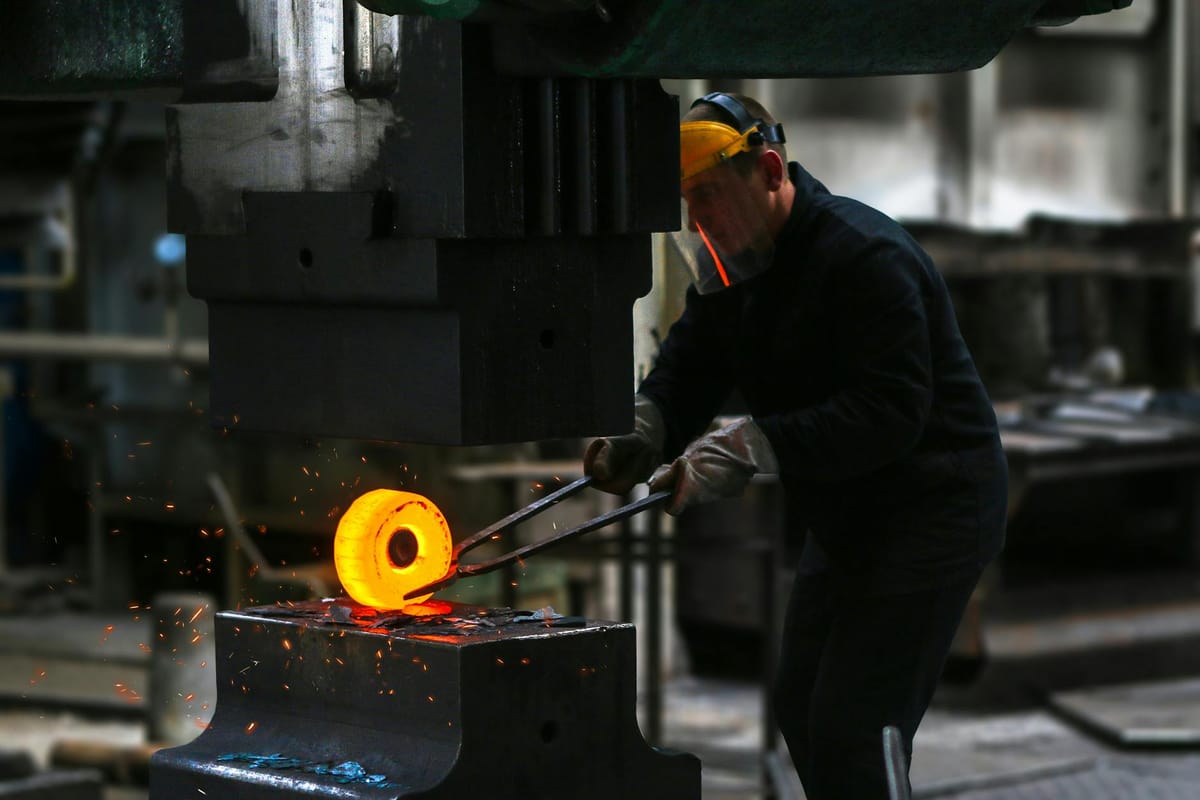
In a significant legal development, Dyson, the renowned electronics manufacturer, has settled a lawsuit brought forth by 24 migrant workers from Nepal and Bangladesh. These workers alleged that they faced forced labor and abusive conditions while employed at a Malaysian factory producing parts for the company. This landmark case, which has attracted considerable attention, underscores the challenges faced by migrant workers and highlights the responsibilities of multinational corporations in ensuring ethical labor practices.
The lawsuit, initiated in 2022, accused Dyson of turning a blind eye to the reported mistreatment of its workers. Allegations included being subjected to physical threats and violence, having their passports confiscated, and enduring excessively long work hours in unsanitary environments. According to the workers' legal representatives, they were often denied basic human necessities, including restroom breaks, with some claiming they were forced to work for more than 12 hours at a stretch without relief.
Dyson's response to the lawsuit has been one of denial of liability, asserting that it was previously unaware of the alleged abuses and that the responsibility lay with its Malaysian supplier. Despite this stance, the case marks a pivotal moment in legal history, as it establishes that allegations against foreign companies can be adjudicated in British courts. This precedent is particularly significant for labor activists who have long highlighted the exploitation of migrant workers in Malaysia, where such abuses have been rampant.
The settlement reached between Dyson and the workers does not disclose specific compensation details, and both parties have emphasized that this resolution should not be viewed as an admission of guilt on Dyson's part. In statements released on their respective websites, Dyson and the law firm Leigh Day, representing the workers, noted that the settlement was achieved in light of the high costs associated with litigation and the potential benefits of resolution.
The Supreme Court's decision to allow the trial to be held in England rather than Malaysia was a crucial turning point in the case. This ruling not only validated the workers' claims but also opened the door for future cases against British companies operating abroad, holding them accountable for labor practices in their supply chains.
Dyson, known for its high-end household appliances, has faced scrutiny in the past regarding its labor practices. The company moved its manufacturing operations from the UK to Malaysia in 2002, a decision that has drawn criticism from labor rights advocates, especially in light of the allegations now surfacing. Furthermore, the firm's corporate structure shifted when it relocated its headquarters to Singapore in 2019, further distancing itself from its British roots.
The plight of migrant workers in Malaysia has been a longstanding issue, with many facing dire working conditions and lack of legal protections. Activists have consistently raised awareness about the vulnerabilities of these workers, who often come from impoverished backgrounds seeking better opportunities abroad. The settlement in this case may serve as a catalyst for broader discussions regarding corporate accountability and ethical labor practices in global supply chains.
As companies like Dyson continue to expand their operations internationally, the need for robust ethical standards and oversight becomes increasingly critical. This case serves as a reminder that consumers and shareholders alike are calling for greater transparency and responsibility from corporations, particularly those that benefit from the labor of vulnerable populations.
Background on Migrant Labor in Malaysia
Migrant labor has been an essential component of Malaysia's economy, particularly in sectors such as manufacturing, agriculture, and construction. The country has attracted millions of migrant workers from neighboring countries like Indonesia, Bangladesh, and Nepal, who often come in search of better economic opportunities. However, the reality for many of these workers can be starkly different from their expectations. Reports have documented widespread exploitation, including human trafficking, forced labor, and unsafe working conditions.
The Malaysian government has been criticized for its inadequate protections for migrant workers, which has allowed these abuses to persist. In many cases, workers find themselves trapped in a cycle of debt and dependency due to exorbitant recruitment fees charged by agents. Once in Malaysia, their passports are often confiscated, effectively rendering them powerless and vulnerable to exploitation.
Corporate Accountability and Ethical Standards
The case against Dyson raises critical questions about corporate accountability in global supply chains. As businesses increasingly rely on overseas production, the need for stringent ethical standards and oversight becomes paramount. Companies must recognize their responsibility not only to their shareholders but also to the workers whose labor sustains their operations.
In recent years, there has been a growing movement advocating for corporate social responsibility (CSR), compelling companies to adopt ethical practices that protect workers' rights. This includes conducting thorough audits of supply chains, ensuring fair wages, and providing safe working conditions. The Dyson case serves as a reminder that failure to uphold these standards can lead to significant legal and reputational repercussions.
The Role of Consumers and Advocacy Groups
Consumers play a crucial role in holding corporations accountable for their labor practices. With increased awareness of labor rights issues, many consumers are now demanding transparency and ethical sourcing from the brands they support. Advocacy groups have been instrumental in bringing these issues to light, pushing for reforms and greater corporate responsibility.
The settlement in the Dyson case may set a precedent for future litigation against companies that fail to protect workers in their supply chains. It highlights the importance of collective action in advocating for the rights of marginalized workers and the need for systemic change to address the root causes of exploitation.
The settlement reached between Dyson and the migrant workers is a significant development in the ongoing fight for labor rights and corporate accountability. While it does not erase the suffering endured by the workers, it does shine a light on the urgent need for ethical practices in global supply chains. As the conversation around corporate responsibility continues to evolve, it is imperative that companies prioritize the rights and well-being of all workers, ensuring that no one is left behind in the pursuit of profit. The implications of this case will likely resonate throughout the industry, prompting a reevaluation of labor practices and a commitment to safeguarding the rights of vulnerable workers worldwide.
Broader Implications for the Industry
The implications of the Dyson case extend beyond just the immediate settlement. This case serves as a wake-up call for multinational corporations, signaling that they can no longer afford to ignore the labor conditions within their supply chains. As global awareness of labor rights issues increases, companies that fail to address these concerns may face not only legal consequences but also significant damage to their brand reputation.
Furthermore, as consumers become more socially conscious, they are increasingly inclined to support companies that demonstrate a commitment to ethical labor practices. This trend is evident in the rise of ethical consumerism, where individuals actively seek out brands that prioritize sustainability and social justice. Companies like Dyson, therefore, must recognize that their business practices are under scrutiny and that transparency and accountability are paramount to maintaining consumer trust.