SSE Airtricity Reduces Gas Prices Amidst Volatile Energy Market
SSE Airtricity has announced an 8.10% reduction in gas tariffs for its customers in Northern Ireland, effective April 1. This change will benefit about 215

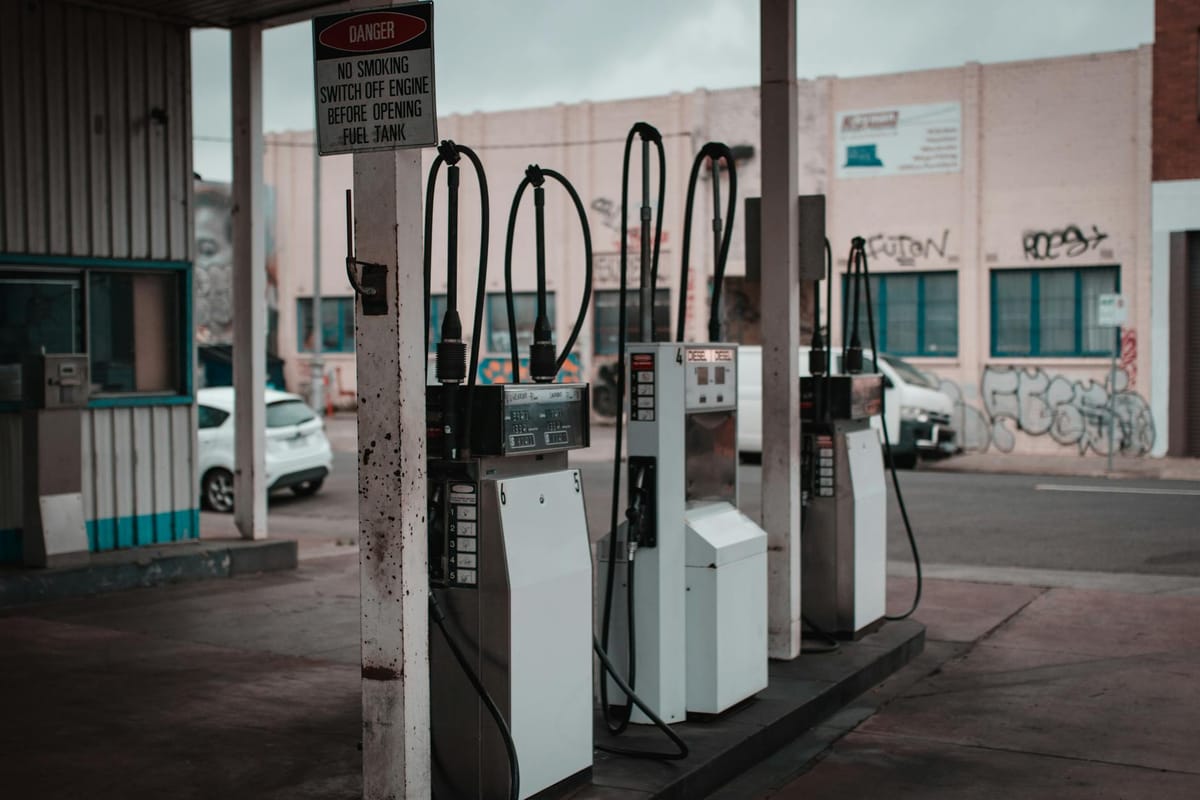
In a significant move for households and small businesses in Northern Ireland, SSE Airtricity, the region's largest natural gas provider, announced an 8.10% reduction in gas tariffs effective April 1. This change will benefit approximately 215,000 customers, with typical annual savings of 80 for those with credit meters and about 79 for prepayment meter users. The company's managing director, Stephen Gallagher, expressed hope that this reduction would provide much-needed relief to customers grappling with rising energy costs.
The decision to lower gas prices comes as a response to the adjustments between forecasted and actual costs of delivering gas, indicating a shift in the energy landscape. Raymond Gormley, head of energy policy at the Consumer Council, welcomed this decrease, highlighting it as a sign of a gradual downward trend in wholesale energy prices. However, he cautioned that the energy market remains unpredictable due to ongoing global geopolitical issues.
The Utility Regulator also endorsed the price cut, attributing it to falling wholesale gas costs. Leigh Greer, who oversees market regulation, emphasized the importance of ensuring that any further declines in costs are passed on to consumers. He acknowledged that many households and businesses continue to face financial strain despite this positive development.
This price adjustment by SSE Airtricity comes at a time when the energy sector is witnessing significant changes. As of 2023, wind energy has become a crucial player in the electricity supply for both Ireland and Northern Ireland, providing 35% of the region's electricity needs. This shift towards renewable energy sources is part of a broader strategy to enhance energy security and address climate change concerns.
Despite the positive news from SSE Airtricity, the energy market's volatility remains a pressing issue. The ongoing geopolitical tensions worldwide have resulted in fluctuating energy prices, leaving consumers in a state of uncertainty. As the Utility Regulator continues to monitor the market, there is hope that further reductions in energy costs may be on the horizon, providing additional support to those struggling with their energy bills.
In light of these developments, it is essential for consumers to stay informed about their energy options. SSE Airtricity's price reduction is a step in the right direction, but the energy landscape is constantly evolving. Households and businesses should be proactive in seeking assistance if they are facing difficulties in meeting their energy costs. The announcement from SSE Airtricity is a reminder of the importance of transparency and responsiveness in the energy market, particularly during challenging times.
As the energy sector transitions towards more sustainable practices, the role of renewable energy sources like wind power is becoming increasingly significant. With over 300 wind farms across the island of Ireland, wind energy is set to play a vital role in meeting future electricity demands. The emphasis on renewable energy not only addresses energy security but also aligns with global efforts to combat climate change.
In summary, SSE Airtricity's decision to lower gas tariffs is a positive development for many consumers in Northern Ireland. This price reduction reflects a broader trend of decreasing wholesale energy costs, although the market remains susceptible to external pressures. As the region continues to adapt to changing energy dynamics, the focus on renewable energy sources will be crucial in shaping a sustainable future for energy consumption.
The Broader Context of Energy Prices
The energy market has been under significant pressure in recent years, particularly due to global events that have disrupted supply chains and increased costs. The COVID-19 pandemic, for instance, had a profound impact on energy demand and supply, leading to unprecedented fluctuations in prices. As economies began to recover, the demand for energy surged, which in turn placed additional strain on supply chains already hindered by pandemic-related disruptions.
Furthermore, geopolitical tensions, such as those involving major energy-producing nations, have also contributed to the instability of energy prices. Conflicts and sanctions can lead to reduced supply, driving prices up and creating uncertainty for consumers and businesses alike. In this context, SSE Airtricity's decision to lower gas prices can be seen as a proactive response to these external pressures, aimed at providing relief to its customers during a tumultuous time.
The Role of Renewable Energy
The transition to renewable energy sources is not just a trend but a necessity in addressing the climate crisis and ensuring energy security. SSE Airtricity's move to reduce gas prices coincides with a growing reliance on wind energy, which has emerged as a key player in the region's energy landscape. By 2023, wind energy accounted for 35% of the electricity supply in both Ireland and Northern Ireland, highlighting the significant shift towards cleaner energy sources.
This transition is part of a broader strategy to reduce carbon emissions and combat climate change. The increasing integration of renewable energy into the grid is essential for achieving sustainability goals and ensuring that energy remains accessible and affordable for all consumers. The presence of over 300 wind farms across the island of Ireland underscores the potential for wind energy to meet future electricity demands while reducing reliance on fossil fuels.
Consumer Awareness and Support
As SSE Airtricity's price reduction takes effect, it is crucial for consumers to remain informed about their energy options. The energy market is complex and can be challenging to navigate, especially during periods of volatility. Consumers should actively seek out information regarding available support programs and resources that can assist them in managing their energy costs.
The Consumer Council and other organizations play a vital role in providing guidance and support to households and businesses facing financial difficulties. By staying informed and proactive, consumers can make better decisions regarding their energy usage and costs, ultimately leading to greater financial stability.