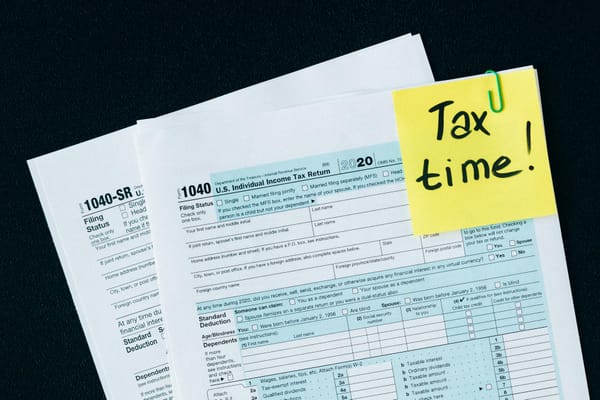
Tax Deadline Approaches: HMRC Offers Extended Support for Last-Minute Filers
As the self-assessment tax deadline approaches, HMRC is ramping up support for last-minute filers with extended services. Over 10 million submissions have


Tax Deadline Approaches: HMRC Offers Extended Support for Last-Minute Filers
As the self-assessment tax deadline of January 31 approaches, HM Revenue and Customs (HMRC) is intensifying its support for taxpayers who have yet to file their returns. With over 10 million submissions already completed, many individuals are still scrambling to meet the deadline, which can have significant financial implications for those who fail to file on time. This year, HMRC has made notable changes to its support services, including extending phone and web chat availability, to assist those who may face challenges during this busy period.
Extended Support from HMRC
In an effort to accommodate last-minute filers, HMRC has opened its telephone helpline over the weekend for the first time. Taxpayers can now seek assistance on Saturdays from 09:00 GMT to 16:00 GMT, a move aimed at alleviating some of the stress associated with last-minute submissions. This extension is particularly significant given that many individuals often wait until the final days to file their tax returns, leading to potential backlogs in service and increased wait times for assistance.
In previous years, HMRC has experienced a surge in late submissions, with 1.1 million individuals missing the tax deadline last year alone. While some of these late filers may have had legitimate reasons for their delays, such as severe illness or personal emergencies, the tax authority imposes automatic penalties for those who do not submit their returns by the deadline. Specifically, individuals who miss the January 31 deadline will incur an automatic fine of 100, which can escalate quickly with additional penalties imposed after three, six, and twelve months. This can lead to serious financial repercussions, emphasizing the importance of timely filing.
The Reality of Last-Minute Filers
Despite the extended support, HMRC anticipates that a significant number of taxpayers will wait until the very last day to file their returns. This trend creates a potential backlog, which could result in long wait times for individuals seeking assistance. To combat this, HMRC has increased the capacity of its web chat service tenfold on Saturdays, hoping to provide timely support to those in need. However, previous experiences with HMRC's phone lines have led to criticism regarding long wait times, and taxpayers are advised to prepare for potential delays when calling for help.
It is crucial for taxpayers to be aware of their filing requirements. Individuals earning more than 1,000 from self-employment or rental income are required to file a self-assessment tax return. However, some individuals who previously filed may not need to do so this year if their income circumstances have changed. For example, high earners who previously filed solely due to their income may now find themselves exempt from the requirement if their earnings have decreased. Additionally, those who have switched to paying the high-income child benefit charge through the PAYE system will also be exempt from filing this time.
The Risks of Missing the Deadline
The consequences of failing to file a tax return on time extend beyond just financial penalties. Taxpayers who do not submit their returns may miss out on valuable tax relief opportunities. Financial experts estimate that approximately 800,000 higher or additional rate taxpayers may not be declaring personal pensions or other schemes that allow for tax relief. This oversight can result in significant missed savings, further underscoring the importance of timely and accurate filing.
Filing the return is only part of the equation; taxpayers must also ensure they have adequate funds available to pay any tax owed by January 31. Alice Haine, a personal finance analyst, emphasizes the importance of financial readiness in this regard. Taxpayers who do not pay the full amount owed by the deadline may face additional penalties, compounding their financial burden. Those unable to pay their tax bill in full may qualify for a Time to Pay arrangement, which allows them to spread their payments over a more manageable timeframe.
Preparing for the New Digital Tax Requirements
As taxpayers prepare to file their returns, it is also essential to be aware of upcoming changes to digital tax reporting. Starting in April, new digital tax requirements will take effect, altering how some taxpayers report their income. This shift represents a significant change in the tax landscape, and taxpayers are encouraged to familiarize themselves with the new regulations to ensure compliance.
The introduction of these digital requirements is part of HMRC's broader initiative to modernize the tax system, making it more efficient and user-friendly. However, it also places additional responsibility on taxpayers to stay informed and adapt to these changes. Failing to comply with the new regulations could result in further complications and penalties, making it all the more critical for individuals to stay ahead of their tax obligations.
As the January 31 deadline looms, HMRC's extended support services are a welcome addition for taxpayers who may be feeling overwhelmed by the prospect of filing their self-assessment tax returns. With the potential for significant financial penalties and missed tax relief opportunities, it is crucial for individuals to take action now to ensure they meet their obligations. By taking advantage of the resources available and staying informed about changes to tax regulations, taxpayers can navigate this busy period with greater confidence and ease.
In summary, the approaching tax deadline serves as a reminder of the importance of timely filing and financial preparedness. With HMRC's efforts to provide extended support, taxpayers have the opportunity to seek assistance and ensure they meet their obligations before the clock runs out. As the deadline approaches, it is vital for individuals to prioritize their tax responsibilities, ensuring that they are not only compliant but also maximizing their financial benefits wherever possible. By being proactive and utilizing the resources available, taxpayers can mitigate the stress often associated with tax season and emerge with a clearer understanding of their financial standing.
Tax season can be daunting, but with the right preparation and support, it can also be an opportunity for individuals to assess their financial health and plan for the future. As the self-assessment deadline nears, taxpayers should take full advantage of HMRC's extended services and approach their tax responsibilities with confidence and clarity.