The Enigma Surrounding Air India Flight 171: Investigations and Theories
The crash of Air India Flight 171 has ignited fierce debate and speculation about the causes behind the tragedy. With investigations ongoing, questions ari

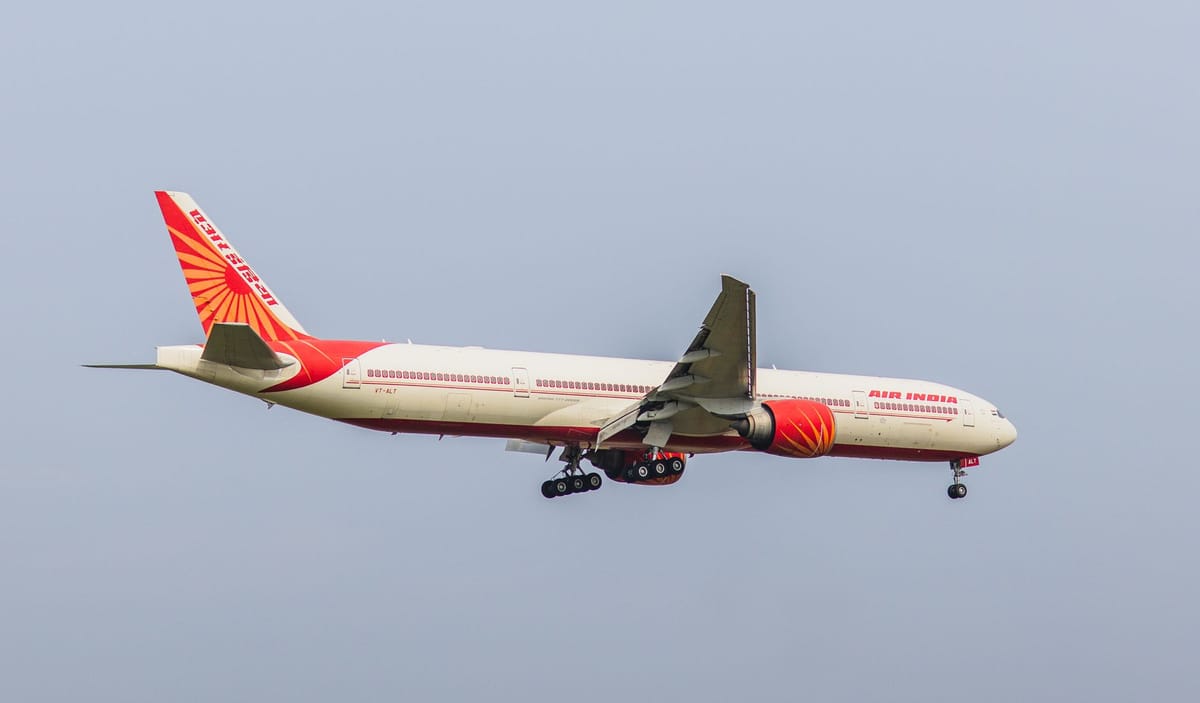
On a sweltering June afternoon in 2022, Air India Flight 171 took off from Ahmedabad, embarking on a nine-and-a-half-hour journey to London. Tragically, the flight, carrying 230 passengers and a crew of ten, crashed just 32 seconds after takeoff, resulting in the loss of nearly all lives on board and additional casualties on the ground. As investigators dig deeper into the causes of this catastrophic event, the inquiry has sparked fierce debates, theories, and concerns about accountability in aviation safety.
The Crash: A Timeline of Events
Air India Flight 171 crashed shortly after takeoff on June 12, 2022, killing 229 people. The aircraft, a Boeing 787 Dreamliner, lifted off from Sardar Vallabhbhai Patel Airport in Ahmedabad. Everything appeared routine until a sudden descent resulted in tragedy. CCTV footage captured the aircraft struggling to gain altitude, ultimately disappearing from view behind nearby structures before a massive fireball erupted. The immediate aftermath was devastating, leaving the world to grapple with the shocking loss of life.
The investigation into the crash is being conducted by India's Aircraft Accident Investigation Bureau (AAIB), which is tasked with determining the causes and contributing factors of such incidents. Under international aviation law, the country where the crash occurs is responsible for the investigation, but it also invites participation from other relevant parties, including manufacturers and regulatory bodies. In this case, the U.S. National Transportation Safety Board (NTSB) and representatives from Boeing and GE Aerospace are involved, working alongside Indian authorities to uncover the truth behind the crash.
Preliminary Findings and Controversy
However, the preliminary findings released by the AAIB have ignited fierce debate. One of the key revelations was that the flight data recorder indicated the fuel cutoff switches were switched from operational to off just moments after takeoff. This led to a rapid loss of engine thrust, raising questions about whether it was an accident or a deliberate act by the pilots. In the cockpit voice recordings, one pilot can be heard questioning the other about the fuel cutoff, to which the other pilot replies that he did not make the switch. This brief exchange has fueled speculation about the possibility of a pilot-induced crash, a theory that some aviation experts are now considering.
Critics of the investigation have voiced concerns about the potential for bias and the tendency to blame deceased pilots in the aftermath of air disasters. Capt. CS Randhawa, president of the Federation of Indian Pilots, expressed that the investigation might be compromised, especially when a pilot is unable to defend themselves. He, along with the family of the deceased captain, has sought judicial intervention to ensure a thorough and unbiased investigation. This raises ethical questions about the accountability of investigations in aviation disasters, particularly when the deceased cannot speak for themselves.
Mechanical Failures and Safety Concerns
While some experts lean toward the theory of pilot suicide, others challenge this notion, highlighting the aircraft's history of mechanical issues. Reports suggest that the Dreamliner had been plagued by electrical problems, with some incidents involving overheating in power panels. Air India has denied these claims, asserting that all maintenance was performed according to Boeing-approved procedures. Despite this, safety advocates argue that the aircraft's systems could have malfunctioned, leading to the crash without any human intervention.
One of the more controversial theories posits that an electrical failure may have caused the aircraft's systems to behave erratically, mistakenly believing it was still on the ground. This could have triggered an automatic fuel cut-off, separate from any actions taken by the pilots. Investigative journalist Rachel Chitra has pointed out discrepancies in the preliminary report that support this theory, suggesting that the timing of the emergency power system's deployment raises questions about the sequence of events leading to the crash.
The Role of the Ram Air Turbine (RAT)
The Ram Air Turbine (RAT), which provides emergency power when other systems fail, was deployed almost immediately after takeoff. However, evidence indicates that it may have been activated before the fuel switches were cut off, indicating a potential underlying issue that needs to be addressed. Such anomalies have led lawyers representing the victims' families to assert that the investigation must consider all possibilities, rather than prematurely attributing blame to the pilots. This highlights the complexity of modern aircraft systems and the potential for multiple factors to contribute to a crash.
Demand for Transparency
With the investigation ongoing, it remains crucial for all parties involved to approach the findings with transparency and integrity. The families of the victims are demanding answers, not just for closure, but to ensure that aviation safety is prioritized and that lessons are learned from this tragedy. The complexities of the case highlight the challenges of air safety investigations, particularly when dealing with the potential for human error versus mechanical failure.
As the aviation community watches closely, the outcome of the Air India Flight 171 investigation could have far-reaching implications for safety protocols and the accountability of airlines and manufacturers. The final report, expected within a year, will be pivotal in determining not only what happened on that fateful day but also in shaping the future of air travel safety. The need for rigorous standards and accountability in aviation cannot be overstated, as the stakes are literally life and death.
The crash of Air India Flight 171 has ignited fierce debate and speculation about the causes behind the tragedy. With investigations ongoing, questions arise about the balance of responsibility between pilots and mechanical systems, and how these factors intertwine in the realm of aviation safety. As families mourn their losses, the aviation industry must confront these challenging questions to prevent future tragedies. The complex interplay of human error, mechanical failure, and the accountability of key stakeholders in aviation safety is a narrative that will continue to evolve as more information becomes available.
The tragedy of Flight 171 serves as a sobering reminder of the inherent risks in air travel and the critical importance of thorough investigations in the aftermath of such disasters. Only through a comprehensive understanding of the factors that contributed to this incident can the aviation industry hope to implement changes that will prevent similar occurrences in the future. The collective hope of the victims' families, aviation experts, and the global community is that the lessons learned from this investigation will lead to improved safety measures and a renewed commitment to protecting lives in the skies.
Sources: https://www.bbc.co.uk/news/articles/cwyk9exxp2qo?at_medium=RSS&at_campaign=rss, https://en.wikipedia.org/?curid=46233624