Lufthansa Faces Major Flight Cuts Amid Rising Fuel Prices
Lufthansa, facing soaring fuel prices, has announced it will cut 20,000 short-haul flights this summer, primarily impacting its CityLine service. The airli

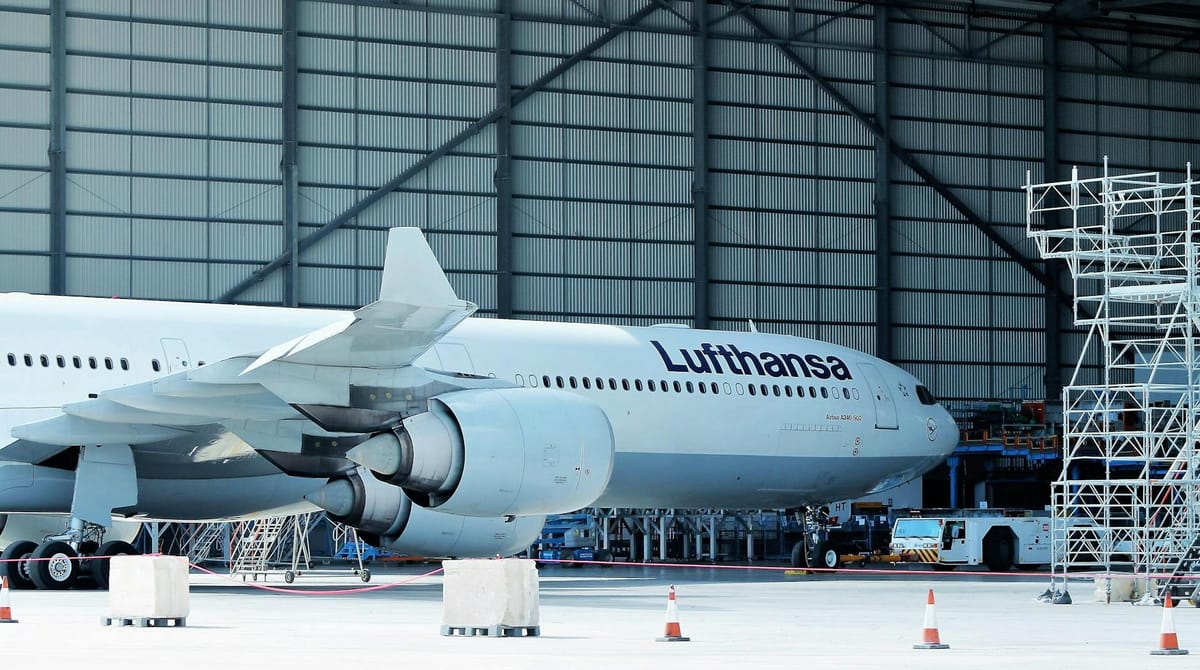
In an unprecedented move, Lufthansa, one of Europe's largest airlines, has announced a significant reduction in its summer flight schedule due to soaring fuel prices. The airline plans to cut approximately 20,000 short-haul flights across Europe, a decision prompted by the rising cost of jet fuel, which has doubled in price since the outbreak of the conflict between the US and Israel in the Middle East. This situation has led to increased concerns about the availability of aviation fuel, as the Gulf region is a crucial supplier, providing about half of Europe's imports.
The airline indicated that the flight reductions would mainly affect its CityLine service, which operates shorter routes to various destinations. Among the cities that will see cuts are Heringsdorf, Cork, Gdansk, Ljubljana, Rijeka, Sibiu, Stuttgart, Trondheim, Tivat, and Wrocaw. In light of these cancellations, Lufthansa has assured passengers that they will either receive refunds or be rebooked on alternative flights operated by its partner airlines, including SWISS, Austrian Airlines, Brussels Airlines, and ITA Airways, wherever feasible.
Lufthansa's announcement marks a significant shift in the airline's operations, reflecting the broader challenges the aviation industry faces amid geopolitical tensions. The company is also in the process of reviewing its entire European flight schedule, with expectations that some of these cuts could become permanent. This restructuring comes on the heels of the airline's earlier decision to accelerate the closure of its CityLine service, which includes retiring 27 aircraft due to the financial strain caused by high fuel prices and labor disputes.
The EU is taking steps to monitor the situation closely. On Wednesday, officials announced the establishment of a fuel observatory aimed at tracking the production, imports, exports, and stock levels of transport fuels within the European Union. This initiative aims to identify potential shortages and mitigate the impact of high fuel prices on the aviation sector, which is increasingly vulnerable to external shocks.
As the conflict in the Middle East continues, analysts warn that travelers should prepare for further increases in ticket prices and additional flight cancellations. The situation underscores the airline industry's sensitivity to global events, particularly those that affect fuel supply chains. With the Gulf region's role as a major supplier of aviation fuel, disruptions in that area can have cascading effects on airlines operating in Europe and beyond.
Passengers planning to travel during the summer months should stay informed about their flight status, as the ongoing review of Lufthansa's schedule could lead to more changes in the coming weeks. While the airline maintains that long-haul connections will remain accessible, the efficiency of these services could be impacted by the rising costs associated with jet fuel.
The airline industry is no stranger to challenges, but the current environment presents a unique set of circumstances that could reshape how airlines operate in the future. As fuel prices remain volatile, airlines like Lufthansa will have to navigate these challenges carefully to maintain their operations and serve their customers effectively. With the potential for more flight cuts and rising fares, the coming months could be particularly turbulent for travelers and airlines alike.
The Broader Implications of Fuel Price Increases
The rising fuel prices are not just a challenge for Lufthansa but represent a systemic issue affecting the aviation industry as a whole. Airlines globally are grappling with the consequences of fluctuating fuel costs, which can account for a significant portion of operational expenses. According to industry experts, the price of jet fuel can comprise up to 30% of an airline's total operating costs. When fuel prices spike, airlines often have no choice but to pass these costs onto consumers through higher ticket prices or to cut routes altogether, as Lufthansa has chosen to do.
The geopolitical landscape plays a crucial role in this dynamic. The ongoing conflict between the US and Israel has led to instability in the Middle East, a region that is critical to the global oil supply chain. The Gulf states are major producers of oil and gas, and any disruption in this area can lead to price hikes that reverberate throughout the aviation sector. Airlines are particularly vulnerable to these changes because they rely heavily on fuel to operate flights, and any increase in fuel prices can have immediate and far-reaching consequences.
Consumer Reactions and Travel Trends
The public's reaction to Lufthansa's announcement has been mixed. While some travelers understand the necessity of such cuts in light of rising operational costs, others are frustrated by the inconvenience of canceled flights. The prospect of having to rebook or receive refunds can be particularly stressful for those who have planned vacations or important travel commitments. As travel demand continues to rebound in the post-pandemic era, many consumers are eager to travel but may find themselves facing unexpected hurdles due to these operational changes.
Additionally, the travel industry has seen a shift in consumer behavior over the past few years. Many travelers are now more flexible with their travel plans, often choosing to book last-minute trips or opting for alternative destinations. This flexibility can help airlines like Lufthansa mitigate some of the impacts of flight cancellations, as passengers may be willing to adjust their plans in light of the changing landscape.
The Future of Aviation Amidst Economic Turbulence
Looking ahead, the aviation industry is at a crossroads. Lufthansa's decision to cut flights is not just a reaction to current events but may signal a longer-term trend in how airlines operate. As fuel prices remain volatile and geopolitical tensions continue, airlines might need to rethink their strategies, focusing on sustainability and efficiency to weather future challenges.
Many airlines are already investing in newer, more fuel-efficient aircraft and exploring alternative fuel sources to reduce their dependency on traditional jet fuel. These efforts are not only aimed at cutting costs but also align with a growing consumer demand for environmentally friendly travel options. As the industry evolves, airlines that can adapt to these changing dynamics will be better positioned to thrive in a competitive market.