The Future of Clean Energy: Proxima Fusion's Ambitious Stellarator Project
Proxima Fusion is developing a stellarator, a complex device aimed at achieving nuclear fusion. With significant funding and a dedicated team, the company

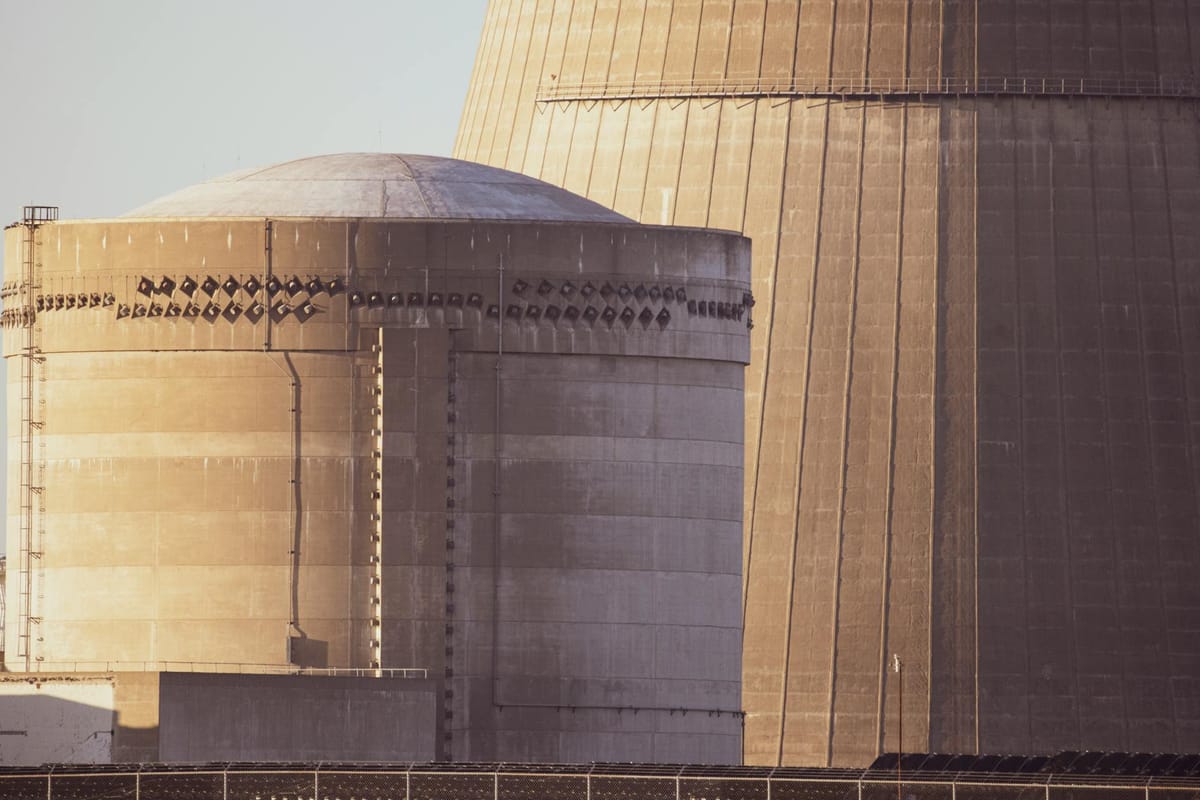
The Future of Clean Energy: Proxima Fusion's Ambitious Stellarator Project
In a bold attempt to harness the power of the sun, Proxima Fusion is paving the way for a new era of clean energy with its innovative stellarator design. This Munich-based company, a spin-off from the renowned Max Planck Institute for Plasma Physics, is tackling the formidable challenges of nuclear fusion with a vision that could change the energy landscape forever.
Understanding Nuclear Fusion
Nuclear fusion is the process by which hydrogen nuclei combine under extreme conditions to form helium, releasing vast amounts of energy in the process. This reaction is the same that powers our sun and other stars, making it a tantalizing prospect for generating clean, abundant electricity on Earth. Unlike fossil fuels, which release harmful greenhouse gases when burned, fusion has the potential to provide a nearly limitless source of energy without the associated emissions. However, achieving practical fusion energy is no small feat.
To sustain fusion reactions, scientists must recreate the extreme conditions found in stars, which involves temperatures exceeding 150 million degrees Celsius-over five times hotter than the core of the sun. This requires advanced technology and innovative designs, such as those being developed by Proxima Fusion.
The Stellarator Design
At Proxima, the team is working on a stellarator, a device characterized by its twisted and complex design. Unlike the more common tokamak, which resembles a doughnut and uses powerful magnets to contain plasma, a stellarator's intricate shape allows for potentially better plasma stability. This stability is crucial because any disruptions in the plasma can lead to a loss of confinement and, consequently, a halt in the fusion reaction.
Francesco Sciortino, the CEO of Proxima Fusion, emphasizes the need for rapid development and manufacturing capabilities to bring their vision to life. He describes the stellarator design as potentially making the machine easier to operate once it's up and running, likening it to a sophisticated piece of machinery that can be fine-tuned for efficiency.
The stellarator's design is not just a matter of aesthetics; it plays a critical role in the operational efficiency of fusion reactors. The complex geometry of a stellarator allows for a continuous magnetic field, which can help maintain plasma stability without the need for continuous adjustments, a significant advantage over tokamak designs. This can result in longer operational times and a more consistent output of energy.
Funding and Support
Proxima Fusion has garnered significant attention and funding to advance its stellarator project. With a recent investment of 30 million, the company is poised to accelerate its research and development efforts. This funding not only supports the engineering of the stellarator but also aids in the recruitment of top talent in the field of plasma physics and engineering.
The financial backing reflects a growing recognition of the potential of fusion energy as a viable alternative to fossil fuels. Governments and private investors alike are increasingly interested in supporting technologies that promise to mitigate climate change and provide sustainable energy solutions. The urgency of transitioning to clean energy sources has never been more apparent, and fusion energy represents a significant part of that transition.
The Global Fusion Energy Landscape
Proxima Fusion is not alone in its quest for nuclear fusion. The global landscape of fusion research is diverse, with several prominent projects underway worldwide. The International Thermonuclear Experimental Reactor (ITER) in France is perhaps the most well-known, aiming to demonstrate the feasibility of fusion as a large-scale and carbon-free source of energy. ITER employs a tokamak design and has received substantial international funding and collaboration.
In addition to ITER, other private companies and research institutions are exploring various approaches to fusion energy. For instance, Helion Energy and TAE Technologies are also developing fusion reactors based on different principles and technologies. This competitive environment fosters innovation and accelerates the pace of research, ultimately benefiting the field as a whole.
Challenges Ahead
Despite the promising developments in fusion energy, significant challenges remain. Achieving and maintaining the extreme temperatures and pressures necessary for fusion is a monumental task. Moreover, the materials used in constructing fusion reactors must withstand intense heat and radiation, necessitating ongoing research into advanced materials that can endure these conditions.
Another challenge is the economic viability of fusion energy. While the potential for abundant energy is enticing, the initial costs of developing and building fusion reactors are substantial. The industry must demonstrate that fusion can be a cost-effective solution compared to other energy sources, including renewables like solar and wind.
The Path Forward
Proxima Fusion's approach to developing a stellarator represents a significant step toward overcoming some of these challenges. By focusing on innovative designs and efficient manufacturing processes, the company aims to contribute to the broader goal of making fusion energy a practical reality. The success of Proxima Fusion could pave the way for a new generation of clean energy technologies that harness the power of the stars.
As the world grapples with the urgent need for sustainable energy solutions, the potential of nuclear fusion as a clean, safe, and virtually limitless energy source cannot be overstated. Proxima Fusion's stellarator project, along with other initiatives in the fusion landscape, represents a beacon of hope in the quest for a cleaner energy future. The coming years will be critical as these projects move from theoretical concepts to operational realities, and the world watches closely to see if fusion energy can finally fulfill its promise.
The future of energy may very well lie in the stars, and with projects like Proxima Fusion's stellarator, we may be closer than ever to reaching that celestial goal.