Texas Eyes London for Business Expansion and Trade Growth
Texas has opened a new office in London to enhance trade and tourism, aiming to strengthen ties with the UK amidst a backdrop of historical connections.

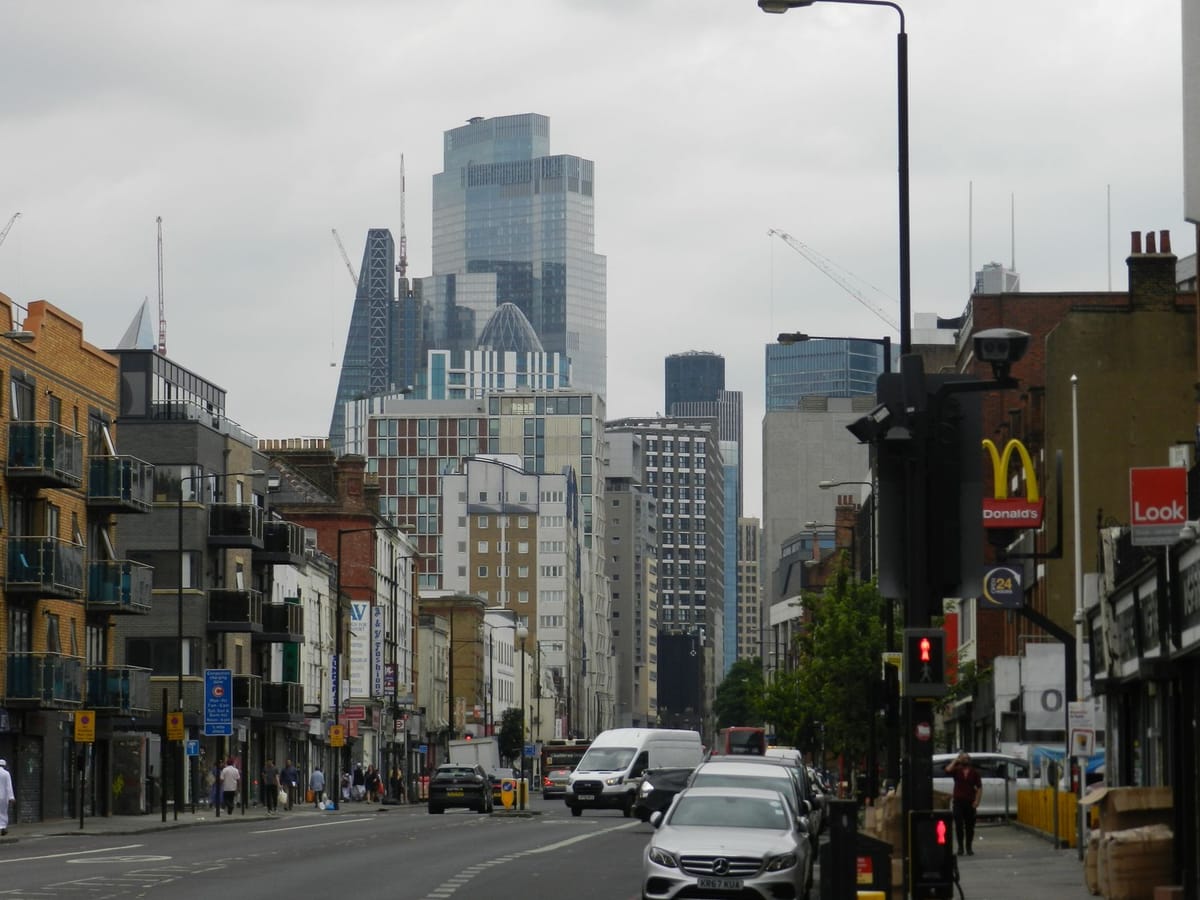
Texas has officially opened a new office in London, a strategic initiative aimed at boosting trade and tourism between the two regions. This move is not just a symbolic gesture but a calculated effort to strengthen economic ties that currently amount to approximately $17 billion in annual trade. The new office, located near the historic Berry Bros & Rudd, which once served as the Embassy of the Republic of Texas, serves as a reminder of the long-standing relationship between Texas and the UK, dating back nearly two centuries.
The decision to establish this office reflects a broader ambition among Texas officials to create a robust economic partnership that supports local businesses while attracting international investment. Senator Tan Parker, a key figure in the Texas State Senate, has articulated the potential benefits of this initiative, particularly the prospect of dual listings on both the London Stock Exchange and the Texas Stock Exchange. This could potentially lead to job creation and provide opportunities for Texas businesses looking to expand into new markets.
Austin's mayor, Kirk Watson, has emphasized the city's transformation into a major international hub over the past 25 years. He highlighted the importance of collaboration with global partners like London, especially as both cities face contemporary challenges related to renewable energy, technology, and the complexities of artificial intelligence. Watson's insights reflect a growing trend of subnational diplomacy, where cities proactively forge relationships that transcend traditional national boundaries. This trend is particularly significant in an era where global challenges require collaborative solutions, and cities are increasingly recognizing their roles as key players in international relations.
The timing of the new office's opening is noteworthy, particularly in light of recent trends in the London financial market. There has been a noticeable shift, with some high-profile UK firms choosing to list their shares on foreign exchanges rather than remain in London. This trend raises questions about the capital's economic resilience. Economist Alexander Harvey from Oxford Economics has pointed out that while employment growth in London has outpaced the rest of the UK, productivity has stagnated since the global financial crisis, presenting a challenge for London as it strives to maintain its status as a leading global city. The establishment of the Texas office can be seen as a proactive response to these challenges, aiming to reinforce London's position in the global marketplace while simultaneously providing Texas businesses with new avenues for growth.
The City of London Corporation has welcomed the Texas initiative, viewing it as an opportunity to revitalize economic ties. Dame Susan Langley, the City's mayor, visited Dallas earlier this year to express her enthusiasm for the new Texas office. She conveyed optimism about the potential for dual-listing opportunities, which could link British and Texan businesses to new sources of capital. This sentiment was echoed by Chris Hayward, the policy chairman of the City of London Corporation, who described the new office as a significant boost of confidence for both regions. The emphasis on mutual benefits underscores a collaborative spirit that is becoming increasingly vital in today's interconnected world.
The overarching message from officials in both Texas and London is clear: they do not see each other as competitors, but rather as potential partners in the global marketplace. Texas, as the eighth largest economy in the world, brings considerable resources and opportunities to the table, while London is keen to leverage this partnership to enhance its own economic prospects. This perspective aligns with the broader trend of globalization, where regions and cities seek to collaborate rather than compete, recognizing that shared success is often more sustainable than isolated growth.
The establishment of the Texas office in London marks a pivotal moment in the ongoing evolution of international trade relationships. It represents a forward-looking approach that recognizes the importance of collaboration in the face of economic uncertainty. With both Texas and London committed to building a mutually beneficial relationship, the potential for growth and innovation appears promising. This partnership has the potential to catalyze a range of initiatives, from joint ventures in technology and renewable energy to cultural exchanges that deepen the ties between the two regions.
As this partnership unfolds, it may well serve as a model for other regions looking to navigate the complexities of a rapidly changing global economy. By focusing on shared goals and mutual interests, Texas and London are poised to create a dynamic alliance that could benefit businesses and communities on both sides of the Atlantic. This partnership not only aims to enhance trade but also seeks to foster cultural exchanges, technological collaborations, and joint ventures that could lead to sustainable growth and development.
The historical context of the Texas-London relationship adds depth to this initiative. The ties between Texas and the UK date back to the 19th century when Texas was an independent republic and sought international recognition. The opening of the new office is a symbolic nod to this history, demonstrating that the spirit of collaboration and partnership remains alive today. This historical backdrop is essential to understanding the current dynamics of the relationship, as it showcases a long-standing commitment to mutual support and cooperation. As both regions look to the future, they are not only building on their past but also paving the way for a prosperous and interconnected economic landscape.